
Weaving Stronger Communities Through Shared Spaces
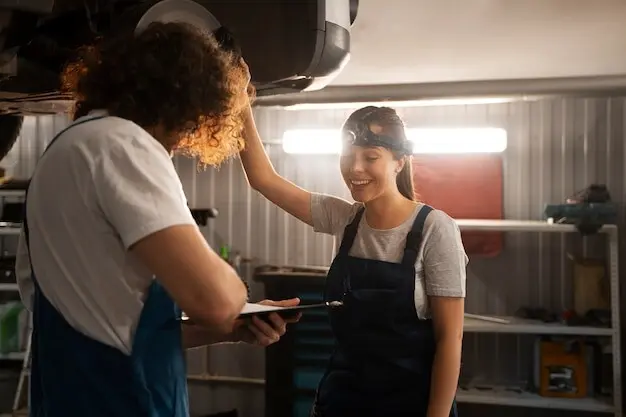
Today we dive into Building Local Ecosystems: Collaborations Between UK Libraries, Makerspaces, and Repair Groups, uncovering practical partnerships, inspiring stories, and field-tested tips that help neighbors learn, fix, invent, and belong, while strengthening public spaces, circular economies, and trust across towns and cities.
Why Collaboration Works
When librarians, makers, and repair volunteers join forces, the result is generous, public-spirited infrastructure that multiplies everyone’s impact. Libraries contribute welcoming venues and trust, makerspaces add tools and mentorship, and repair groups bring community repair culture and circular thinking, creating low-barrier pathways into learning, creativity, and climate action for all ages.
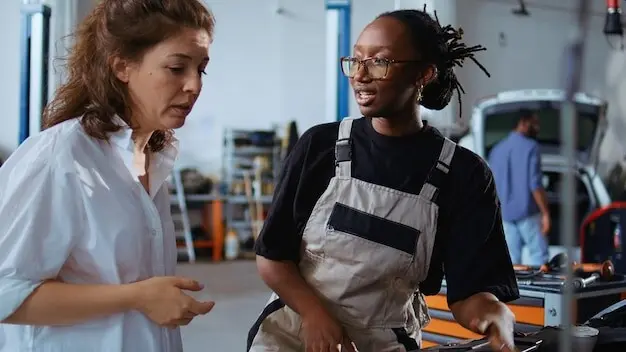
Pop-up Repair at the Library
A monthly weekend session pairs greeters, triage volunteers, and repairers under clear safety guidelines. Visitors book slots or drop in with small appliances, toys, and textiles. Conversations matter as much as fixes: people learn maintenance habits, share stories, and discover upcoming maker workshops scheduled by partners right next door or later the same week.
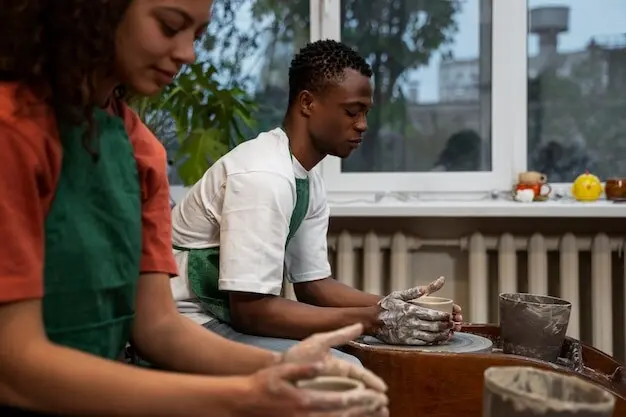
Tool Lending and Skill Shares
Combining tool libraries or lending cupboards with short, confidence-building inductions lowers barriers dramatically. Borrow a sewing machine, then join a hem-mending micro-class. Take home a multimeter after practicing safe measurements. Rotating kits—bike repair, darning, small electronics—align with seasonal needs, school projects, and neighborhood priorities while keeping costs fair, transparent, and community-governed.
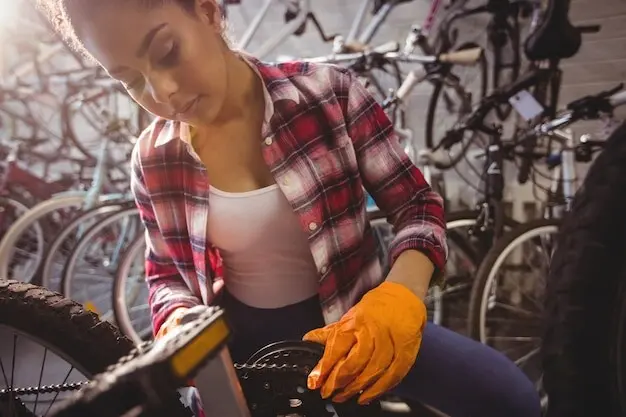
Makers-in-Residence Partnerships
Local makers spend a residency period mentoring projects, curating workshops, and co-designing curricula with librarians and repair coordinators. Residents spotlight inclusive pathways: no-solder introductions, cardboard prototyping, and repair-friendly design principles. Their presence demystifies equipment, models patient coaching, and leaves behind open resources, checklists, and adaptable lesson plans for sustained programming after residency ends.
Funding, Governance, and Risk
Resilient collaborations rest on practical foundations. Microgrants and small sponsorships often cover consumables, signage, and training. Memoranda of understanding clarify spaces, storage, publicity, and safeguarding. Simple risk assessments, PAT checks where appropriate, and volunteer briefings keep activities safe and welcoming, while shared calendars and transparent budgeting prevent burnout and nurture trust.
Start with Problems People Care About
Survey visitors at the desk and during events; invite them to pin card notes on a visible board. Frame sessions around top needs—zip repairs, device decluttering, safe bicycle maintenance—so people see immediate relevance. Practical value builds trust, and trust opens the door to deeper making, thoughtful design, and ambitious community-led projects benefiting many neighbors.
Intergenerational Learning Moments
Pair teens fluent in code with retirees expert in mechanical intuition. Blend a textile mend-along with a microcontroller introduction to gentle illumination. Laughter across generations breaks stereotypes, while skill exchange accelerates learning. People witness their own strengths, discover patience, and appreciate how diverse experiences produce reliable, elegant, repairable solutions that stand the test of time.
Accessible Formats and Timing
Rotating morning, evening, and weekend slots accommodate carers, shift workers, and students. Provide materials in plain English with supportive visuals, and avoid jargon in demonstrations. Offer quiet tables, loaner glasses, and large-print handouts. Short, repeatable modules help latecomers and newcomers succeed without embarrassment, steadily building confidence, competence, and sustained community participation across seasons.
Measuring Impact and Telling the Story
Data should feel human. Track items saved from landfill, participant return rates, and skills people report gaining. Pair numbers with quotes, photos, and tiny case studies that honor contributors. Sharing results through displays, newsletters, and partner channels attracts allies, reassures funders, and invites new volunteers to join, learn, and lead future initiatives.
Getting Started in Your Place
{{SECTION_SUBTITLE}}
Map Assets and Gaps
List spaces, tools, volunteers, and time windows. Identify missing pieces—seating, storage bins, signage, or induction scripts. Reach out to neighborhood groups, climate alliances, youth services, and mutual aid networks. This simple inventory clarifies next steps and reveals quick wins that build credibility with partners, participants, and potential funders looking for grounded planning.
Pilot, Learn, Then Grow
Run a tiny test: a ninety-minute fix-and-learn clinic with clear scope and two achievable goals. Measure turnout, minutes per repair, and participant smiles. Publish lessons within a week, adjust scheduling, and repeat. Incremental scaling protects volunteers, earns trust, and demonstrates stewardship, making larger grants and deeper collaborations both realistic and responsible over time.
All Rights Reserved.