
Fix, Share, Belong: Britain’s Repair Café Revival
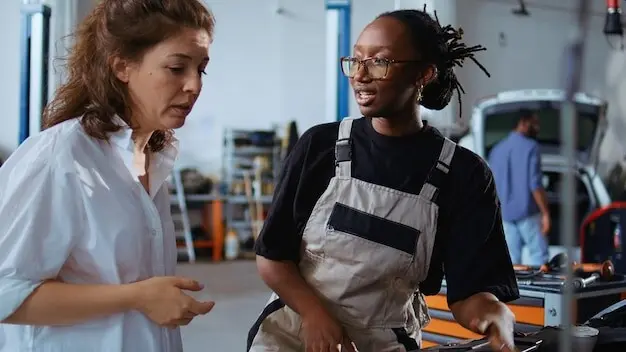
Today we explore Community Repair Cafés across the United Kingdom, where neighbours gather around shared tables to mend toasters, patch jeans, and resurrect lamps. Expect practical insights, moving stories, and clear steps for joining in, so your next broken thing becomes a conversation starter, not landfill.

From Arrival to Applause: Inside a Lively Session
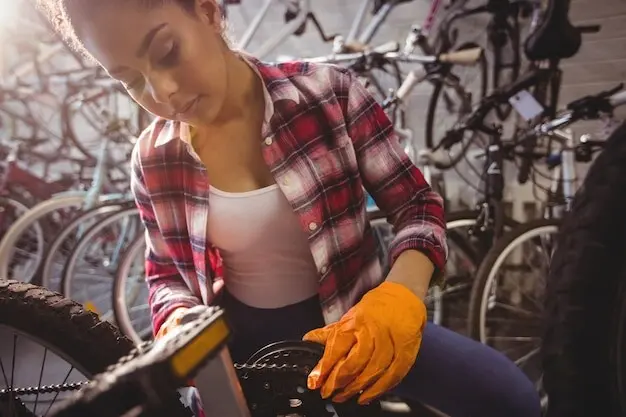
Walk through the door and you’ll feel it immediately: the buzz of careful hands and curious minds. A friendly host welcomes you, notes the issue, and pairs you with a volunteer. You learn, they guide, and together you weigh options, celebrate progress, and leave with newfound confidence and a lighter footprint.

A Warm Check‑In That Starts With Listening

Registration tables run on smiles, clipboards, and empathy. You describe the fault while a host records model numbers, known quirks, and safety concerns. Suggested donations keep the kettle boiling, while simple waivers underline shared responsibility. This gentle ritual sets realistic expectations and makes the repair a collaborative learning moment, not a transaction.

Hands, Tools, Curiosity: The Bench in Action

At the bench, patient fixers demystify screws, seams, and circuits. You hold the torch, try a stitch, or test continuity with a multimeter. Clear explanations turn anxiety into understanding. If a fix proves impossible, you still gain diagnostic insight, parts lists, and confidence for next time, reducing wasteful replacement by default.

Tea, Cake, and Confidence: The Social Glue

Between attempts and successes, tea appears and conversations bloom. A stranger recommends a local haberdashery; another shares the trick for descaling stubborn kettles. You discover community knowledge travels faster than any courier. Even if your gadget leaves with tape and advice, you depart richer in skills and stories that travel onward.

People Power: Volunteers, Visitors, and Coordinators

Repair cafés thrive because people bring generosity, curiosity, and time. Retired engineers share life’s lessons beside students learning patience with pliers. Coordinators choreograph sign‑ups, spares, and safeguarding. Visitors arrive nervous and leave grinning. Every role matters, weaving trust so knowledge flows, confidence rises, and small wins combine into real community resilience.

The Veteran Tinkerer Who Brought a Lamp Back to Life

Colin remembers repairing radios by candlelight during power cuts. Today he coaxes brittle lamp wiring into safe shape, narrating every step. He refuses to do it alone; the owner holds the plug, learns strain relief, practices continuity checks, and jokes about future fame. Skill meets storytelling, and fear of electrics quietly dissolves.

First‑Time Visitor, First Successful Stitch

Amira arrives with a torn school blazer and a knot in her stomach. A volunteer guides her through threading, tension, and unpicking mistakes. Thirty minutes later, the blazer looks proud again. Amira promises to mend a friend’s pocket next week, realising competence grows stitch by stitch when someone believes you can learn.

The Calm Coordinator Behind the Smooth Flow

While benches hum, Priya tracks waiting lists, allergens near the cake, and spare fuses by the extension leads. She checks safeguarding, thanks donors, photographs successes with permission, and posts the next dates. Invisible labour turns chaos into hospitality, sustaining momentum so volunteers feel valued and visitors experience clarity rather than confusion.

What Gets Fixed, Saved, and Learned

From wobbly chairs to moody blenders, every item carries a backstory and a chance to learn. Common fixes build repeatable know‑how, while surprises stretch creativity. Some leave fully revived; others gain honest diagnoses. Either way, repairs spark conversations about design, durability, and the choices we make when something stops working.

Small Electrics and Everyday Gadgets

Toasters with lazy springs, lamps with cracked insulation, headphones with frayed cables: the classics appear weekly. Volunteers inspect plugs, thermal fuses, switches, and solder joints, emphasising safety and method. Visitors discover how crumbs cause faults and how strain relief prevents breakage. Even tiny wins restore trust that objects deserve patience before replacement.

Textiles That Carry Memory

Clothes arrive with birthdays, interviews, and dances stitched into their seams. Skilled sewists translate stories into techniques: invisible mends, darning, patching, and re‑hemming. They explain fibre behaviour, needle choice, and reinforcing stress points. Owners practice on scraps, then bravely tackle the real garment, leaving with pride, skills, and garments ready for more living.

Bikes, Furniture, and the Odd Surprise

Squeaky brakes yield to fresh cables and alignment checks. Loose chair joints firm up with glue and clamps, while mystery gadgets earn collective curiosity. Not every challenge ends perfectly, but creative triage often extends life. The lesson endures: combined community ingenuity can extract value and joy from objects many would prematurely discard.

Why It Matters: Planet, Purse, and Pride
Repair cafés cut waste, stretch budgets, and rebuild confidence. The UK discards mountains of electronics annually, yet many faults are minor. Keeping items in use saves resources and money while preserving stories. People learn practical literacy about materials and failure, creating momentum that supports right‑to‑repair culture and more thoughtful everyday decisions.

Start Yours: Practical Steps for a Local Launch
If your town lacks a repair gathering, you can spark one. Start small, stay consistent, and welcome imperfection. Secure a cosy venue, a few reliable volunteers, a kettle, and clear safety practices. Communicate kindly, celebrate each success, and grow capacity gradually so enthusiasm becomes durable community infrastructure, not a fleeting burst.
Libraries, church halls, and community centres often offer tables, sockets, and insurance frameworks. Approach councils, reuse organisations, and transition groups for partnerships and referrals. Prioritise accessibility, good lighting, and transport links. Early conversations about dates, storage, and keys prevent headaches later and signal professionalism that attracts both volunteers and visitors confidently.
Invite sewists, cyclists, electricians, and great listeners. Offer shadowing, safety briefings, and simple troubleshooting guides. Rotate roles to prevent burnout and recognise wins publicly. Provide snacks, clear schedules, and debriefs after events. A cared‑for team shares knowledge generously, models patience, and sustains momentum through busy months, quiet spells, and occasional tricky repairs.
Keep entry free while welcoming donations. Small grants from councils, local businesses, or climate funds can cover consumables, PAT testing, and signage. Publish transparent budgets and boundaries. Resist mission creep: prioritise learning with repairs, not underpriced services. Financial clarity builds trust, protects volunteers, and keeps the kettle boiling without compromising core values.

Tools, Parts, and Safety That Build Trust
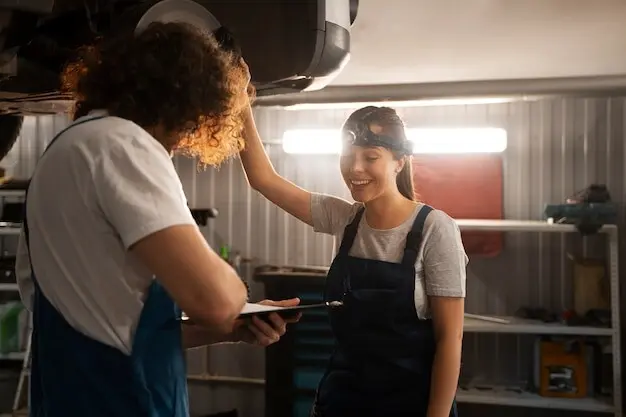
Good tools make careful work possible, and clear boundaries keep everyone safe. From screwdrivers to sewing machines, maintain kits thoughtfully, label spares, and log electrical checks. Share guidance visibly, invite questions, and pause when uncertain. Safety culture isn’t bureaucracy; it’s hospitality that respects people, places, and the objects entrusted to your tables.

Join In: Events, Networks, and Your Next Step

Wherever you live in the UK, there is likely a welcoming table within reach. Search local listings, libraries, and community boards. Bring a friend, a biscuit tin, or a broken toaster. Subscribe for updates, share your story, and help the movement grow by inviting neighbours to learn, mend, and laugh together.

Discover a Nearby Session and Say Hello

Check community calendars, social media groups, and library notices for upcoming dates. Many cafés run monthly with simple booking forms to ease queues. Even without an item, visitors are welcome to observe. Take notes, ask questions, and return with confidence. The first hello often leads to meaningful participation and unexpected local friendships.

Link Up With National and Global Allies

Across Britain, groups share resources, training, and encouragement, while international networks offer guides and inspiration. Explore tool libraries, reuse shops, and makerspaces for synergies. Collaboration avoids duplicated effort, accelerates learning, and strengthens advocacy for repair‑friendly policies so ordinary citizens can access spares, manuals, and durable designs without frustration or excessive cost.

Share Your Story, Subscribe, and Keep Learning

Tell us about the gadget you saved or the lesson that surprised you. Comment with questions, sign up for updates, and suggest the next skill you want to learn. Your voice helps shape workshops, recruit volunteers, and inspire hesitant neighbours. Community repair thrives when stories travel, skills circulate, and encouragement multiplies generously.

Dariveltonilotelixari
Privacy Overview

This website uses cookies so that we can provide you with the best user experience possible. Cookie information is stored in your browser and performs functions such as recognising you when you return to our website and helping our team to understand which sections of the website you find most interesting and useful.