Fixing Together: Community Power in a Repair-Ready UK

Join us as we explore how the UK’s Right to Repair policies are reshaping grassroots repair events, from village halls to city libraries. We’ll unpack 2021 rules on spare parts and documentation, spotlight real volunteer experiences, and measure environmental and social impacts. Expect practical guidance, hopeful stories, and honest critiques about what still blocks fair, safe fixes. Share your repair wins or frustrations in the comments, and help map the next steps toward truly accessible, repairable everyday products.

What the New Rules Actually Change

New regulations promise longer-lived appliances by requiring manufacturers to supply certain spare parts and documentation for years, often to professional repairers only. That nuance matters to community events. We examine how availability, pricing, and qualification barriers play out on folding tables, shaping what can be fixed, taught, and celebrated.

Inside a Saturday Repair Meetup

Picture a bustling hall: kettle steaming, triage desk buzzing, and a queue of hopeful owners carrying radios, mixers, and beloved lamps. Policy details appear surprisingly often—whether a manual is downloadable, whether a seal is orderable, whether a warranty survives. Each conversation blends technical curiosity with neighbourly care and a shared desire to waste less.
Visitors sign in, describe symptoms, and meet a volunteer who sets expectations kindly and clearly. A quick assessment follows: visible damage, likely fault category, and safety concerns. The goal is informed prioritization, pairing devices with the right skills, and identifying which fixes are feasible today versus those awaiting parts now discoverable through improved manufacturer documentation.
Before anyone reaches for a screwdriver, electrical items are checked, isolated, and tested. RCD-protected benches, PAT checks, and careful risk assessments protect people and premises. Volunteers narrate each step so owners understand why some attempts pause until spare parts arrive, turning caution into education and deepening trust that safety rules protect everyone’s time, tools, and confidence.

Measuring Real-World Impact

Impact is practical and personal: kilograms of waste avoided, kilograms of carbon saved, pounds not spent on replacements, and proud smiles catalogued alongside serial numbers. Groups translate fixes into accessible metrics and stories, informing councils, funders, and neighbours. Transparent reporting keeps momentum high, validates volunteer effort, and informs smarter policy refinements over time.

Beyond Kilograms: Stories that Count

Data travels furthest when it carries a human voice. A grandmother’s mixer saved for holiday baking, a student’s lamp revived before exams, a family fridge coaxed through another summer. These narratives explain why spare availability and clear manuals matter, turning numbers into relatable reasons to strengthen repair-friendly design, access, and long-term manufacturer support.

Tracking Repeat Visitors and Skill Uptake

Sign-in forms, consent-first photos, and anonymised logs reveal who returns, what they learn, and which fixes stick. Pattern spotting guides training plans and tool investments. If many repairs stall for the same gasket or belt, teams adjust spares boxes preemptively, while respectful follow-ups help owners report successes and lessons without compromising privacy or dignity.

From Local Logs to Policy Feedback

Aggregated event data highlights real barriers: parts that are strangely restricted, manuals that contradict reality, or models with fragile clips. Sharing evidence with councillors and MPs converts scattered frustrations into constructive reform requests. Policymakers respond best to practical examples that show how small regulatory tweaks can supercharge community capacity without compromising safety or fairness.

Spares, Logistics, and Creative Sourcing
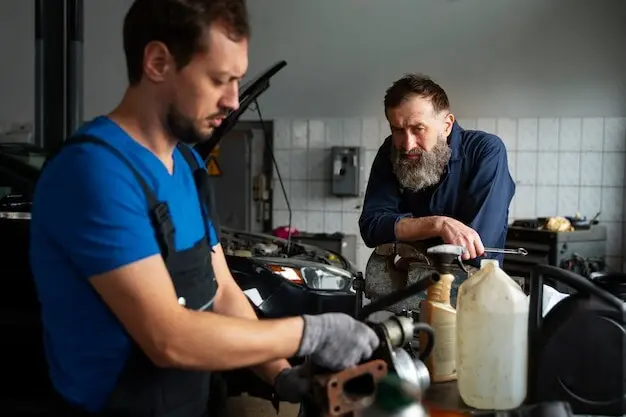
Making repairs stick depends on nimble logistics. Teams balance official suppliers, donated parts, and carefully harvested components from end-of-life devices. Inventory spreadsheets, labelled bins, and compatibility notes reduce delays. With clearer access rules, volunteers plan ahead, bundling orders, pooling stock across groups, and coordinating deliveries to match upcoming event calendars and seasonal demand.

Sourcing Parts Legally and Affordably

Official distributors provide reliability, while reclaimed spares stretch budgets responsibly. Volunteers compare lead times, check part revisions, and confirm serial compatibility to avoid returns. Price transparency matters: owners decide confidently when a repair beats replacement. Clear policy guidance helps events explain options, especially when a professional account is needed to unlock a seemingly simple component.

Harvest and Reuse Without Waste

Donor devices become treasure maps. Before dismantling, teams document assemblies, identify reusable fasteners, and test modules. Careful storage—desiccant packs for optics, antistatic bags for boards—protects future fixes. Sharing catalogued parts across neighbouring groups prevents duplication, while respectful recycling of what remains keeps the loop tight, responsible, and genuinely circular for everyone involved.

When to 3D Print or Adapt

Some brackets, knobs, and feet can be safely reproduced using community printers and shared designs. Teams assess loads, heat, and wear, choosing materials thoughtfully. Safety-critical parts are avoided or sourced officially. Documenting dimensions, failures, and successes builds a living library that complements improved access to manufacturer spares without risking durability or user safety.

Rights, Duties, and Peace of Mind

Clear communication protects both volunteers and visitors. People deserve to know what will be attempted, what risks exist, and how warranties or statutory rights interact with community-assisted fixes. With thoughtful paperwork and friendly explanations, events remain welcoming hubs where safety, legality, and fairness underpin joyful, confidence-building hands-on problem solving.

Respectful Waivers and Clear Expectations

Waivers should explain, not intimidate. They set boundaries, acknowledge risk, and outline responsibilities while emphasising that consumer rights remain intact. Volunteers avoid overpromising, provide return-to-service notes, and highlight any deferred steps awaiting parts. This shared clarity builds trust, making it easier to revisit a device once components arrive or new instructions become available.

Electrical Standards and Safe Sign-Off

After work, items are inspected, tested, and labelled with outcomes and dates. Faults outside scope are documented, not hidden. Teams maintain checklists, calibration notes, and incident logs, demonstrating diligence that reassures venue managers and insurers. Systematic safety practices turn one-off heroics into sustainable routines that welcome newcomers without diluting essential standards.

Data, Privacy, and Digital Security

For phones, laptops, and smart appliances, privacy is paramount. Volunteers encourage owners to back up, sign out, and remove locks before repairs. If diagnosis requires handling data, consent and transparency come first. When activation locks or proprietary screws halt progress, events share pathways to legitimate solutions rather than improvising risky or rights-eroding shortcuts.

Growing Capacity and Community

Scaling impact means nurturing people, places, and partnerships. Councils, libraries, youth clubs, and faith venues offer space and audiences. Local businesses provide sponsorship and training. With structured onboarding, rotating roles, and celebratory rituals, groups avoid burnout and multiply leadership, proving that resilient repair culture is built through shared care, humour, and steady, practical wins.
Dariveltonilotelixari
Privacy Overview

This website uses cookies so that we can provide you with the best user experience possible. Cookie information is stored in your browser and performs functions such as recognising you when you return to our website and helping our team to understand which sections of the website you find most interesting and useful.