







Training that builds confidence, not fear
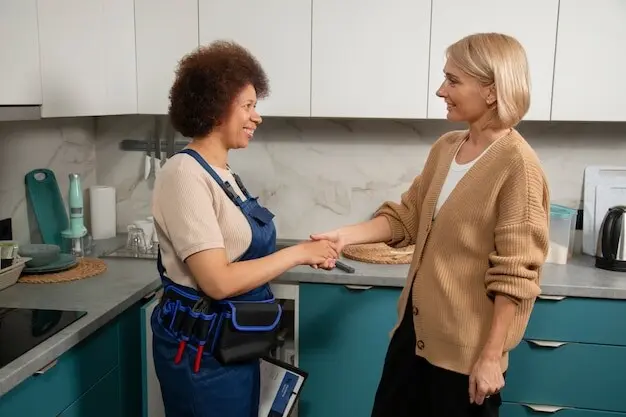
Offer brief, scenario-based refreshers before doors open: guiding someone to a chair, asking about access needs, or pausing when overwhelm appears. Provide cue cards with phrases that invite choice and dignity. Celebrate small wins after each event. Confidence grows when volunteers know mistakes can be noticed kindly and corrected together without blame.

Roles that match bodies, skills, and energy
Not everyone must wield a soldering iron. Create greeter, note-taker, child-wrangler, tea-maker, storyteller, and tool-runner roles. Offer seated tasks and micro-shifts. Rotate responsibilities to prevent fatigue. Ask volunteers about comfort levels and preferred pace. Matching roles to energy safeguards wellbeing and keeps the welcome warm from first hello to final thank-you.

Safeguarding and consent in every interaction
Explain what data you collect, why, and for how long. Get consent before photos or social posts. Ask before handling mobility aids or cherished items. Provide a clear route to raise concerns and a named safeguarding contact. Boundaries create trust, especially for newcomers who have previously faced exclusion, stigma, or rushed, dismissive service.