





Repair Together: Opening Doors Across UK Communities

Today we dive into making repair events accessible across the UK, sharing inclusive practices that remove barriers, widen participation, and spark belonging. From step-free venues to Deaf-aware communication, childcare, and adaptive tools, discover practical ideas you can copy, test, and improve alongside your neighbours and volunteers.

Spaces That Welcome Every Fixer

A welcoming venue starts with the journey through the door: step-free entrances, wide aisles, moveable tables, good task lighting, and clear, high-contrast signage. Add comfortable seating, quiet breakout areas, and power at reachable heights. When venues respect bodies and brains of many kinds, confidence rises, conversations flow, and repairs become joyful collaborations.

Communication Everyone Can Use

Information must land before, during, and after the event in formats people actually use. Write in plain English, avoid jargon, and supply Easy Read versions with images. Add alt text, captions, and high-contrast graphics. Provide BSL interpreters or video intros with subtitles. Share updates by email, SMS, community noticeboards, and local radio.

People-Powered Inclusion

Inclusion lives in attitudes and habits. Equip volunteers with short, practical training on disability etiquette, neurodiversity, trauma awareness, and respectful language. Encourage introductions with pronouns and clear role badges. Build a culture of consent, patience, and shared problem-solving. When people feel safe to ask for help, repair becomes a doorway to community.

Training that builds confidence, not fear

Offer brief, scenario-based refreshers before doors open: guiding someone to a chair, asking about access needs, or pausing when overwhelm appears. Provide cue cards with phrases that invite choice and dignity. Celebrate small wins after each event. Confidence grows when volunteers know mistakes can be noticed kindly and corrected together without blame.

Roles that match bodies, skills, and energy

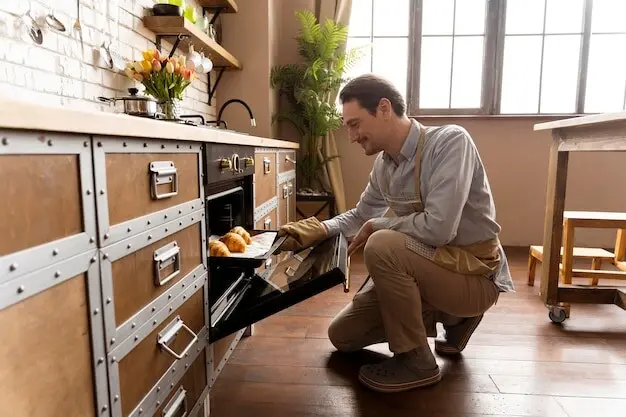
Not everyone must wield a soldering iron. Create greeter, note-taker, child-wrangler, tea-maker, storyteller, and tool-runner roles. Offer seated tasks and micro-shifts. Rotate responsibilities to prevent fatigue. Ask volunteers about comfort levels and preferred pace. Matching roles to energy safeguards wellbeing and keeps the welcome warm from first hello to final thank-you.
Safeguarding and consent in every interaction

Explain what data you collect, why, and for how long. Get consent before photos or social posts. Ask before handling mobility aids or cherished items. Provide a clear route to raise concerns and a named safeguarding contact. Boundaries create trust, especially for newcomers who have previously faced exclusion, stigma, or rushed, dismissive service.
Adaptive tools and creative jigs

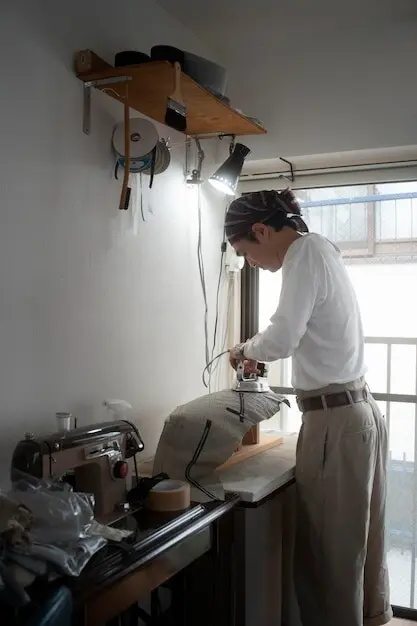
Invest in vices with soft jaws, third-hand clamps, anti-slip mats, and magnetic bowls to stabilise small parts. 3D-print simple jigs for common devices. Offer lightweight drivers to reduce strain. These supports expand who can repair safely and comfortably, turning tricky assemblies into approachable puzzles that reward patience, cooperation, and careful observation.

Accessible workstations and restful pacing

Mix bench heights and provide adjustable chairs with back support. Add bright, flicker-free task lighting and large mats that catch runaway screws. Encourage timed breaks and hydration stations. Clear wait-time boards reduce anxiety. With comfort addressed, attention improves, accidents decline, and conversations deepen, making each fix a shared lesson rather than a race.

Paper-light sign-in with privacy preserved

Use large-print, plain-English forms with QR options for those preferring phones. Collect minimal data, explain usage, and store it safely. Provide clipboards and thick pens for easier grip. Offer volunteers to scribe, with consent. Clear, respectful admin shortens queues, protects dignity, and frees time for actual repair, conversation, and skills exchange.

Schedules that fit real UK lives

Alternate weekday evenings with weekend mornings to capture shifts, carers, and families. Avoid big local events and exam weeks. Share calendars a month ahead with reminders two days prior. Provide estimated repair durations and queuing windows. Predictability supports planning, especially for people juggling energy, medication, childcare, or variable public transport reliability.

Getting there without breaking the bank

Map step-free routes from rail or bus stops, note lift locations, and link live travel updates. Offer bike parking and a small travel bursary where funding allows. Coordinate lift-shares with safeguarding in mind. When reaching the venue is simple, affordable, and transparent, more neighbours arrive with hope rather than hesitation or last-minute cancellations.

Hybrid and remote paths to participation

Host short online triage sessions for quick wins, safety checks, or parts advice. Share captioned tutorials and printable guides. Offer postal assessments for small devices with clear return policies. Remote options widen reach to shielders, rural residents, and busy carers, while encouraging in-person visits when circumstances change and confidence gently grows.

Measure, Learn, and Celebrate Impact

Dariveltonilotelixari
Privacy Overview

This website uses cookies so that we can provide you with the best user experience possible. Cookie information is stored in your browser and performs functions such as recognising you when you return to our website and helping our team to understand which sections of the website you find most interesting and useful.