
Repair, Reuse, and the Real Impact Across Britain

Join us as we explore measuring waste reduction and carbon savings from local repair events in Britain, turning mended toasters, tuned bikes, and revived laptops into understandable, transparent metrics. We translate hands-on fixes into kilograms of waste avoided and kilograms of carbon dioxide equivalent saved, combining practical data collection with relatable stories so every volunteer, visitor, and council partner can understand the difference their effort truly makes.
Why Counting Repairs Matters
When people see clear numbers connected to their efforts, motivation grows and partnerships strengthen. Measuring how much waste is avoided and how much embodied carbon is saved gives community groups, councils, and funders a common language. Transparent methods transform good intentions into trusted evidence, ensuring repair is recognised alongside recycling and reuse, and guiding resources toward activities that prevent disposal and reduce demand for new products.
Weighing and Categorising Items
Weigh items on arrival, capturing grams or kilograms before decisions are made. Categorise consistently, such as small electricals, IT, textiles, furniture, or bikes, aligning with recognised groupings to match published conversion factors. Where scales are unavailable for large items, record model and typical weight from manufacturer data. This clarity ensures every later calculation about diverted waste rests on a solid, transparent description of what actually arrived.
Recording Outcomes and Lifetime Extension
Mark whether the item was fully repaired, temporarily patched, or unrepairable. For successful fixes, estimate how much extra life has been added: months or years. Use conservative ranges based on component replaced, usage pattern, and age. These estimates help translate a single successful repair into avoided manufacturing impacts, because extended life means a postponed replacement. Document assumptions clearly so anyone reviewing your numbers can understand and reproduce your approach.
Parts, Spares, and Safety Notes
Track the parts used, their sources, and whether they are new, reclaimed, or donated. Note any safety checks performed, such as electrical insulation tests or brake inspections. These details strengthen confidence in the outcome while informing future procurement and training. They also help explain partial repairs, where safety considerations limit functionality. Clear, careful notes ensure integrity of your results and safeguard the reputation of your events and volunteers.
Turning Numbers into Waste Reduction
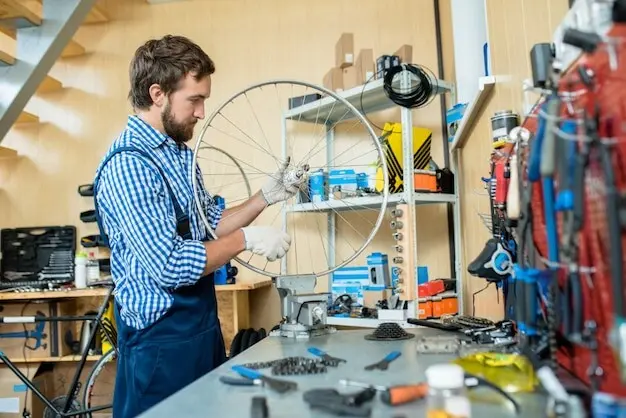
Calculating waste reduction can be straightforward: if a repair prevents disposal today, count the item’s weight as waste avoided. If a partial fix extends life for a while, allocate only a proportion based on time gained. Document conservative logic, cite sources, and keep examples. By making the method easy to follow, others can learn from your approach and compare across events with confidence and goodwill.
Estimating Carbon Savings with Trusted Factors
Embodied carbon is released when products are manufactured and shipped. By extending product life, repair helps avoid the need for new production. Multiply the probability of avoided replacement by reliable category-specific carbon factors from reputable sources, such as reuse and product life extension studies by UK initiatives and international life-cycle literature. Be explicit about uncertainties, choose conservative numbers, and publish assumptions so others can verify and improve your estimates.
Grandad’s Radio That Played Again
An attendee brought a decades-old radio that carried family memories. A simple capacitor swap and careful cleaning brought the music back. The device stayed in use, not a display piece. Beyond avoided waste and manufacturing impacts, the emotional value reignited care. That care often extends to other objects, nudging households toward maintenance, shared tools, and new habits that multiply environmental benefits far beyond a single repair.
Community Laptop Clinic on a Rainy Saturday

Several families queued with slow, overheating laptops. Volunteers replaced thermal paste, cleaned fans, and guided software tune-ups. Devices that seemed destined for recycling enjoyed new life, postponing expensive upgrades. Measured carefully, those results translated into avoided electronic waste and meaningful embodied carbon savings. The children left smiling, parents relieved, and the rain somehow felt lighter as people realised patience and skill could stretch resources without sacrificing functionality.
A Bike Tune-Up that Replaced a Commute
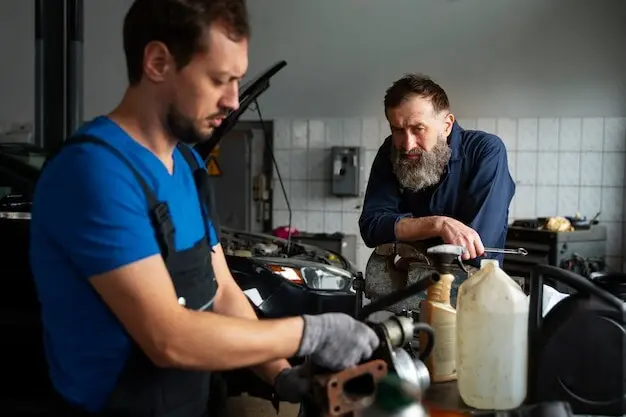
A wobbly wheel and spongy brakes kept one commuter off the saddle. After a free tune-up and a few inexpensive parts, cycling replaced car trips twice a week. The immediate waste impact was small, but the broader emissions effect was inspiring. Though outside embodied carbon calculations for product replacement, the story shows behavioural ripple effects that outreach can encourage, linking community repair to healthier routines and more resilient neighbourhoods.
Designing a Clear, Honest Impact Summary
Lead with a few understandable numbers, like total kilograms of waste avoided and estimated kilograms of CO2e saved, then show how you calculated them. Include assumptions, conservative choices, and confidence ranges. Visual elements help, but so does a friendly paragraph explaining why methods matter. This tone builds trust and invites constructive feedback, ensuring your next event collects even better data and shares it with even greater clarity.
Open Data, Privacy, and Collaboration
Consider releasing anonymised item-level records so others can learn from success rates and common faults. Protect personal details while allowing benchmarking across towns and networks. Invite academic partners and local authorities to compare methods, strengthen factors, and co-create guidance. Collaborative openness can reduce duplication, improve consistency, and unlock new support, ensuring that repair events are recognised as practical, evidence-backed contributors to regional waste reduction and climate strategies.
Join the Next Fix and Bring a Friend
If you enjoyed these insights, subscribe for event updates, volunteer calls, and new measurement guides. Bring a neighbour to the next session, donate a scale or spare parts, or share your own before-and-after story. Every extra pair of hands helps collect better data, fix more items, and demonstrate tangible environmental benefits. Together we can make repair a normal, celebrated habit across Britain’s communities.
All Rights Reserved.