





Repair Together: Launch a Community Workshop in Your UK Town

Ready to bring neighbours together, cut waste, and revive broken belongings? This guide dives into launching a community repair workshop in your UK town, from shaping a mission and finding a venue to safety, volunteers, funding, and impact. Expect actionable checklists, real-world anecdotes, and UK-specific pointers that help you start confidently, welcome participants warmly, and keep the effort resilient for the long haul.

Clarify the Purpose and Community Benefits

Before tools and tables, clarify why your neighbours will show up. Reducing e‑waste, sharing skills, saving money during a cost‑of‑living squeeze, and meeting friendly faces all matter. Link your purpose to UK right‑to‑repair momentum and local priorities, so decisions about venue, equipment, safety, and communications consistently reinforce community benefit rather than convenience alone, building trust from day one.

Assess accessibility and facilities

Check step‑free entrances, accessible toilets, parking, bus routes, bike racks, and clear signage. Confirm enough extension leads, fire exits, and a safe outdoor space for dusty tasks. A small quiet corner helps with triage and forms. Photograph layouts to brief volunteers before sessions and simplify setup on the day.

Negotiate with hosts

Approach venue managers with polite clarity about benefits, insurance, and schedule. Offer impact reports and public thanks in newsletters and posters. Many halls welcome donation‑based bookings if you handle setup, cleanup, and keys reliably. Put agreements in writing, including storage, cancellation, and contingencies when elections or school events displace regular dates.

Safety, Liability, and Policies

Good intentions need good procedures. Complete written risk assessments, brief volunteers, and keep incident logs. Consider public liability insurance suited to community events. Use clear disclaimers, item intake forms, and return‑to‑owner notes. Encourage PPE, test equipment safely, and separate child‑friendly crafting from mains‑powered diagnostics to maintain a calm, low‑risk environment.

Equip the Workshop: Tools, Parts, and Stations

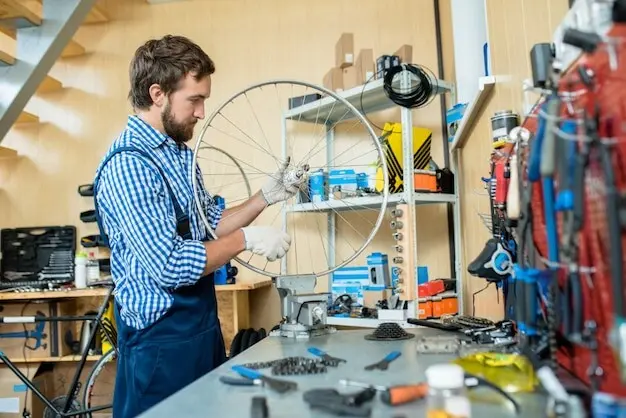
Start with dependable basics: precision screwdrivers, Torx sets, spudgers, pliers, multimeter, soldering kit, heat gun, sewing machine, darning tools, bike stand, glues, tapes, fuses, and cables. Source ethically via donations, refurbishers, and suppliers like iFixit, RS, Farnell, CPC, Screwfix, or local hardware stores. Label, maintain, and share responsibly.

Build a Volunteer Team and Culture

Recruitment and onboarding

Publish a simple volunteer pack outlining purpose, roles, time commitments, and safety basics. Invite newcomers to observe first, then pair them with a buddy. Recognise non‑technical contributions—greeting, photography, data, or cake. Small appreciation rituals and clear communication channels help retain talent month after month.

Roles and training pathways

Publish a simple volunteer pack outlining purpose, roles, time commitments, and safety basics. Invite newcomers to observe first, then pair them with a buddy. Recognise non‑technical contributions—greeting, photography, data, or cake. Small appreciation rituals and clear communication channels help retain talent month after month.

Culture, inclusion, and retention

Publish a simple volunteer pack outlining purpose, roles, time commitments, and safety basics. Invite newcomers to observe first, then pair them with a buddy. Recognise non‑technical contributions—greeting, photography, data, or cake. Small appreciation rituals and clear communication channels help retain talent month after month.

Engage the Public and Spread the Word

Tell stories that travel. Use before‑and‑after photos, quotes from repairers, and short videos. Share on Facebook groups, Instagram, and community noticeboards. Partner with council newsletters and local radio. Clear calls to action—book, volunteer, donate, or share—turn curiosity into attendance and attendance into loyal, word‑of‑mouth ambassadors.

Create compelling outreach

Design bright posters with simple language, friendly faces, and accessibility details. Offer translation where relevant. Add a QR code linking to Eventbrite or a lightweight form. Include practical hints—bring chargers, cables, or missing buttons—so visitors feel prepared, respected, and excited before they even reach your door.

Bookings and walk-ins

Balanced capacity means happy mornings. Use timed bookings to smooth arrivals, but keep slots for walk‑ins. A greeter triages quickly, matching skills to fixes. Transparent wait estimates, biscuits, and conversation turn queues into community. Always over‑communicate changes by email, signage, and social posts to reduce frustration.

Media and partnerships

Send concise press notes with a human story, a striking photo, and your next dates. Offer quotes about waste reduction and cost savings. Partner with schools, Men’s Sheds, credit unions, and climate groups. Cross‑promotion compounds reach, while joint events unlock bigger venues, new audiences, and potential micro‑grants.

Measure Impact and Sustain the Project

Track and share results

Use a simple spreadsheet or Open Repair Alliance templates to log items, categories, outcomes, and weights. Visualise trends quarterly. Celebrate small wins publicly, and analyse persistent failures to guide training or spares. Openly publishing data invites collaboration, credibility, and occasionally the perfect donor with exactly the part you need.

Funding and governance options

Place a donations tin with card options, publish transparent budgets, and thank supporters quickly. Apply for council micro‑grants or National Lottery Awards for All. Decide whether an unincorporated association suffices, or if a CIC or CIO structure, bank account, and trustees better match ambitions, risk appetite, and accountability.

Continuous improvement

Hold a relaxed debrief after each session. What delighted guests? Where did bottlenecks form? Which tools failed? Capture actions, assign owners, and review next time. Pilot small experiments—new signage, booking tweaks, or extra tea volunteers—so learning compounds gently and your workshop becomes easier, safer, and more joyful.
Dariveltonilotelixari
Privacy Overview

This website uses cookies so that we can provide you with the best user experience possible. Cookie information is stored in your browser and performs functions such as recognising you when you return to our website and helping our team to understand which sections of the website you find most interesting and useful.